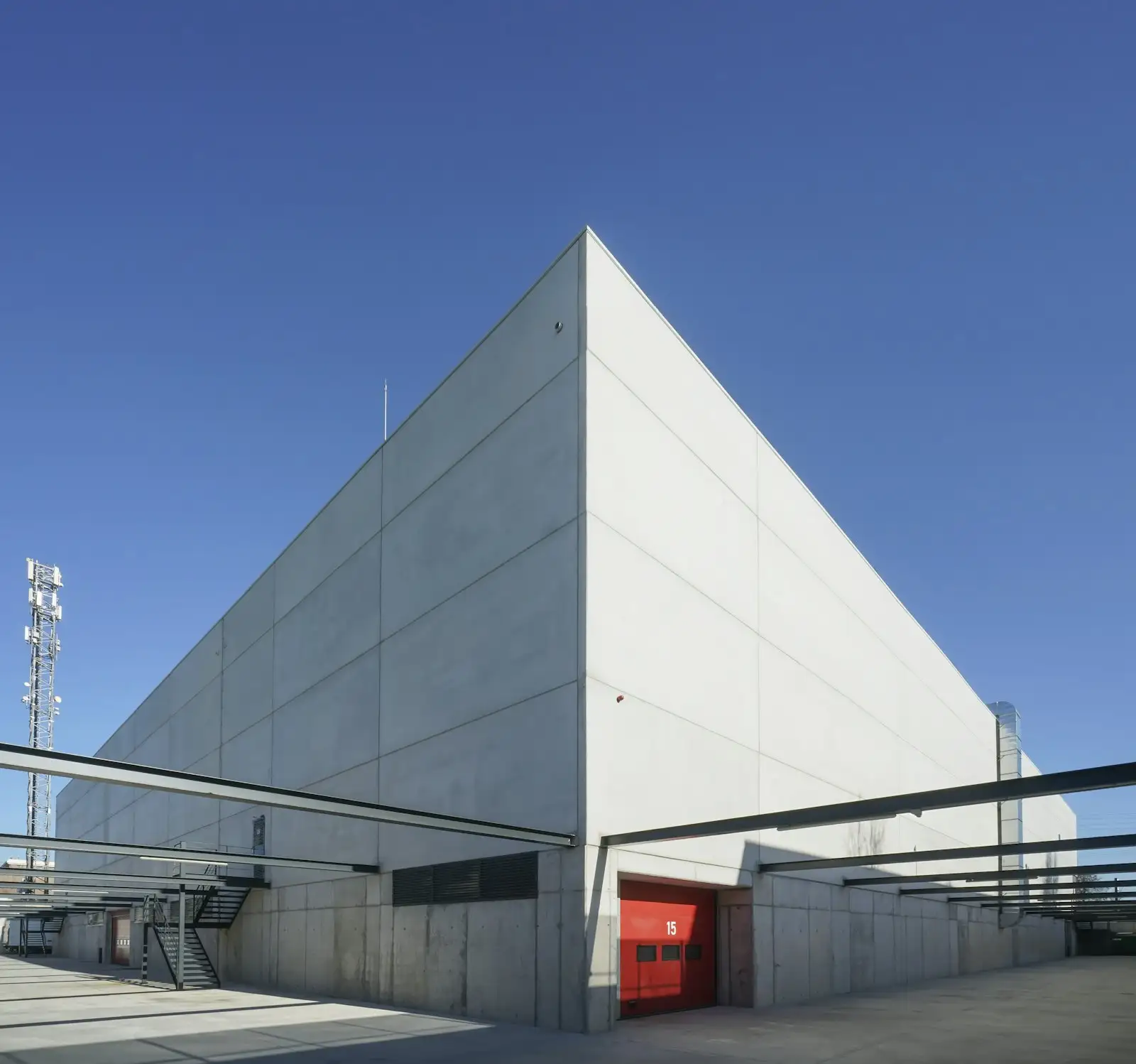
How a sale-leaseback works
In a sale-leaseback, a business that owns the building it operates from sells the property to an investor and, at the same closing, signs a long-term lease to stay in it. The business turns equity locked in real estate into cash, keeps operating from the same address, and becomes a tenant. The investor buys a property with a tenant already in place and a lease written for the purpose.
The deal has two documents that must work together: a contract of purchase and sale, and a lease. Lawyers at Blake, Cassels & Graydon recommend negotiating them together rather than in isolation, because risk left out of one is often not picked up by the other (Blakes, via Mondaq, April 2024).
In outline, the steps are:
- The owner decides what lease it can commit to: term, rent it can afford, space it needs, and whether it wants options to renew, expand or buy back.
- The property is valued as a leased investment, which means the proposed rent and lease terms largely set the price (see how commercial property is valued in BC).
- The property is marketed to investors, or offered directly to one buyer.
- The buyer completes due diligence on the building and on the tenant's financial strength.
- The sale closes and the lease starts on the same day.
Why owners consider one
- Unlock equity without movingCash from the sale can fund growth, pay down debt or buy out a partner while operations stay put.
- Price set by the leaseBecause investors pay for a secure income stream, a long lease to a stable business can support a stronger price than the same building sold vacant.
- Predictable occupancy costsRent and escalations are fixed in the lease for years, which helps budgeting.
- Focus capital on the businessMoney tied up in a building earns nothing for the operating company until it is sold or refinanced.
Canadian public companies describe the same motives. When Chemtrade launched a sale-leaseback process for about 40 acres of industrial land at its North Vancouver facility in 2022, its CEO said the proceeds "could provide significant liquidity for investments in organic growth while also helping to reduce debt" (Chemtrade, April 19, 2022).
Drawbacks and risks for the seller
- You give up future appreciation. Any rise in land value, including from rezoning, now belongs to the investor.
- Long-term rent obligation. A 10- to 25-year net lease is a large commitment. If the business shrinks, relocates or is sold, the lease stays, unless you negotiate assignment and sublease rights.
- Less control. Changes to the building, signage or use need landlord consent.
- Capital costs can still land on you. Under a typical net lease the tenant pays for repairs and often major replacements, so you may be paying for a new roof on a building you no longer own.
- Tax on the sale. Selling triggers capital gains and possibly recapture of capital cost allowance (see below).
- Refinancing may be cheaper. If the goal is only cash, a mortgage or refinance keeps ownership; compare both with your accountant and lender. See financing commercial property in BC.
Lease terms investors expect
Sale-leaseback investors are buying a bond-like income stream, so the lease is the product. Published Canadian deals show the pattern:
| Deal | Properties | Lease reported |
|---|---|---|
| Supremex, 2025 | Two manufacturing and office properties in LaSalle, Quebec and Etobicoke, Ontario, sold for $53.0 million | Initial 10-year triple-net term, with three five-year renewal options at fair market rent (Supremex, July 10, 2025) |
| Go Auto / W. P. Carey, 2026 | 14 auto dealerships concentrated in Greater Vancouver, with others in Edmonton, Calgary and Winnipeg; about US$210 million (W. P. Carey) | 25-year triple-net lease with annual rent escalations tied to CPI (CoStar, April 7, 2026) |
| Gateway Casinos, 2017–2018 | Three Lower Mainland casino properties in Burnaby, New Westminster and Langley, for more than $500 million | Long-term leases, with Gateway continuing to operate the casinos (RENX, February 2018) |
Beyond term and rent, expect investors to focus on:
- Net or absolute net structure. The tenant pays property tax, insurance, maintenance and often structural repairs. Blakes flags "stranded risks," costs a triple-net lease does not assign to the tenant, which the purchase agreement should allocate. Lease structures are compared in commercial lease types in BC.
- Rent escalations, fixed steps or CPI-linked, over the term.
- Covenant strength. Financial statements, and often a parent-company or personal guarantee for a private business.
- Repair and environmental responsibility. Blakes recommends agreeing early on who pays for major repairs and any environmental remediation, and says buyers should still complete full due diligence to set a baseline for the condition the building must be returned in.
- End-of-lease plans. The buyer's long-term intentions for the site (hold, redevelop, re-lease) shape renewal options, rights of first refusal and restoration clauses.
Negotiating those clauses is covered in negotiating a commercial lease in BC.
Tax and accounting considerations
This is general information only. The tax outcome depends on how the property is held and on your history of claims, so work with a BC accountant and lawyer before signing.
- Capital gains. Gain on the land and building is a capital gain. The federal government cancelled the proposed increase to the capital gains inclusion rate in March 2025 (Prime Minister of Canada, March 21, 2025).
- Recapture of capital cost allowance. CRA explains that recapture can arise when proceeds from depreciable property exceed the undepreciated capital cost of the class, and that land is not depreciable (CRA, T4002 Chapter 4). Owners who have claimed CCA on the building for years can face fully taxable recapture on sale.
- Land and building allocation. How the price is split between land and building matters, and the Income Tax Act can reallocate proceeds from land to building to limit a terminal loss on the building (Marcil Lavallée).
- GST and property transfer tax apply to many commercial sales in BC; the sister site explains them in taxes when selling commercial property in BC.
Accounting. Companies reporting under IFRS apply IFRS 16. If the transfer qualifies as a sale, the seller-lessee records a right-of-use asset and recognizes only the part of the gain that relates to rights transferred to the buyer; if it does not qualify, the seller keeps the asset on its books and records the proceeds as a financial liability, with no gain (KPMG). Most private BC companies report under ASPE Section 3065, where a gain on a sale-leaseback is generally deferred and amortized over the lease rather than recognized at once, while a loss where fair value is below carrying amount is recognized immediately (BDO Canada). Ask your accountant how the deal will look on your statements and in any bank covenants.
Who buys sale-leasebacks
- REITs and net-lease investors, including US buyers active in Canada such as W. P. Carey and Mesirow, the buyers in the Go Auto and Gateway deals above.
- Private investment firms and family offices looking for long, stable income.
- Local private investors, who also buy smaller owner-occupied industrial and retail buildings in regional markets such as the Okanagan.
- Buyers with a longer-term land play, who value the rent now and the site later. Knowing which kind of buyer you are dealing with, as Blakes notes, shapes the lease you will be asked to sign.
Settle the lease you can live with before talking price. A lease that is too long, too rigid or at a rent the business cannot sustain can cost more than the extra sale proceeds it buys.
How Commercial Real Estate Group can help
Sean Phillips, REALTOR® with Coldwell Banker Executives Realty, can help BC owner-occupiers test what a building might sell for with a lease in place and find investor buyers. Start with a free 10-minute Zoom intro, or read about selling commercial property. Paid advisory is quoted per property.